Boulder Outdoor Survival School
^
Know more, carry less.
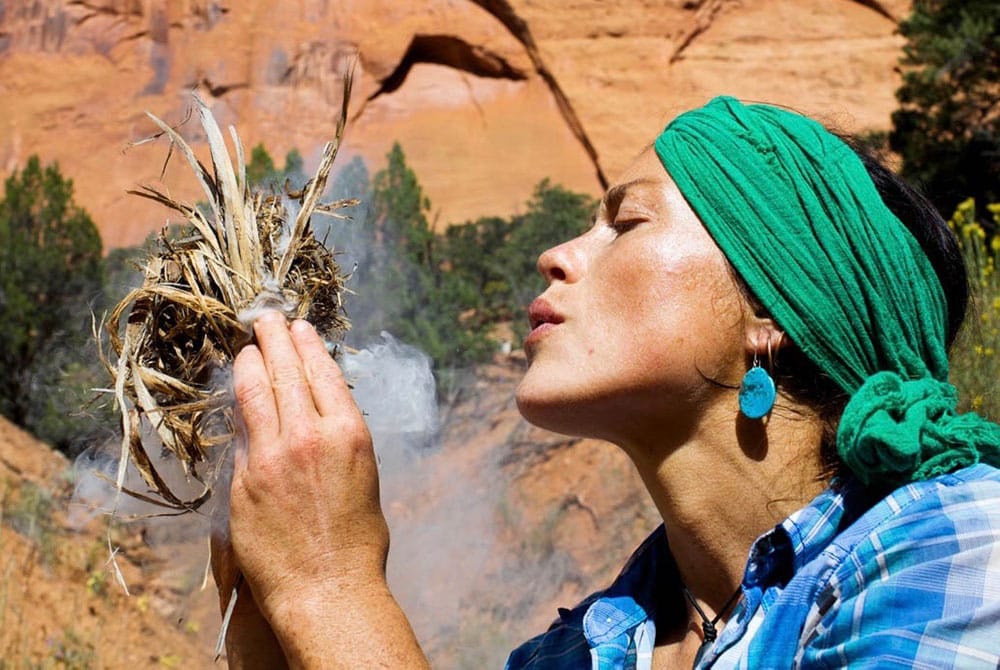
The Boulder Outdoor Survival School (BOSS) has delivered immersive, wilderness-based experiences to hardy souls since 1968. BOSS survival courses are renowned for delivering both physical and mental challenges and rigorous instruction in bushcraft, survival skills, and traditional and primitive living skills.

More than 50 years of experience
For over 50 years students from around the world and from all walks of life have joined us in this remote corner of Utah for survival courses up to 28 days in duration. They are seeking intense challenge, focused skills instruction and practice, and a greater connection to the natural world.
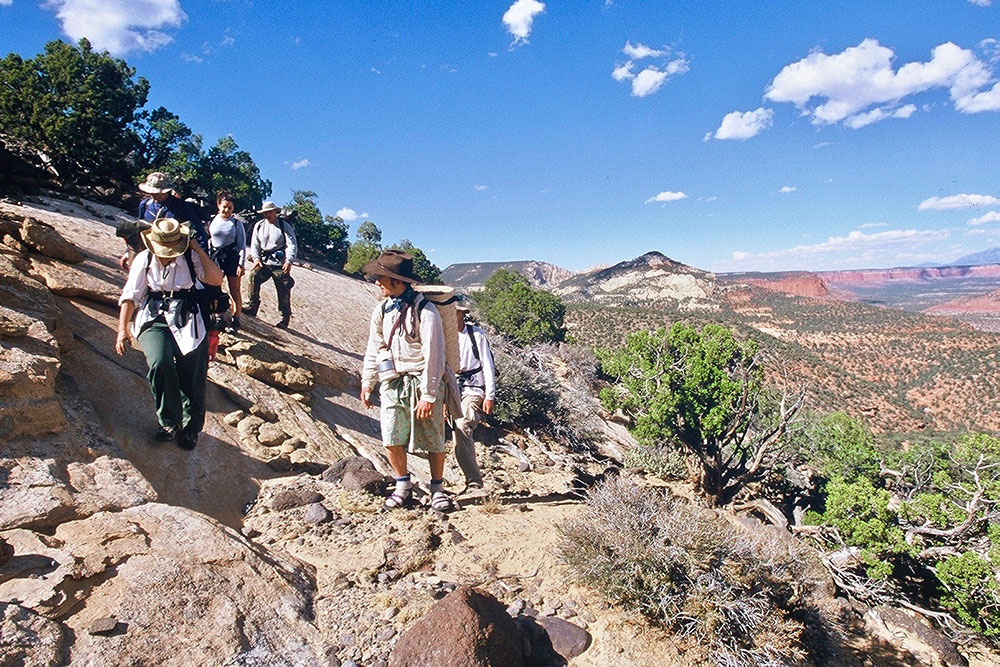
Over a million acres of course area
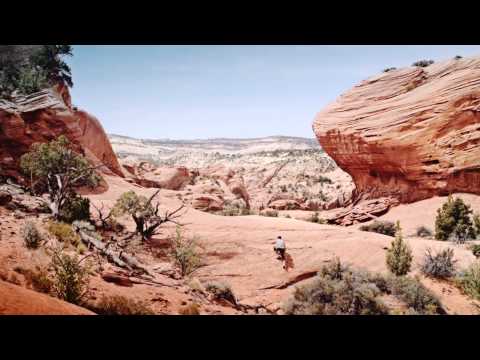
Our outdoor classroom is over a million acres and ranges from approximately 4,000’ above sea level in the red rock canyons to 11,000’ in the alpine. This region of the Grand Staircase-Escalante National Monument and Dixie National Forest comprises one of the most remote and rugged wildernesses in the United States.
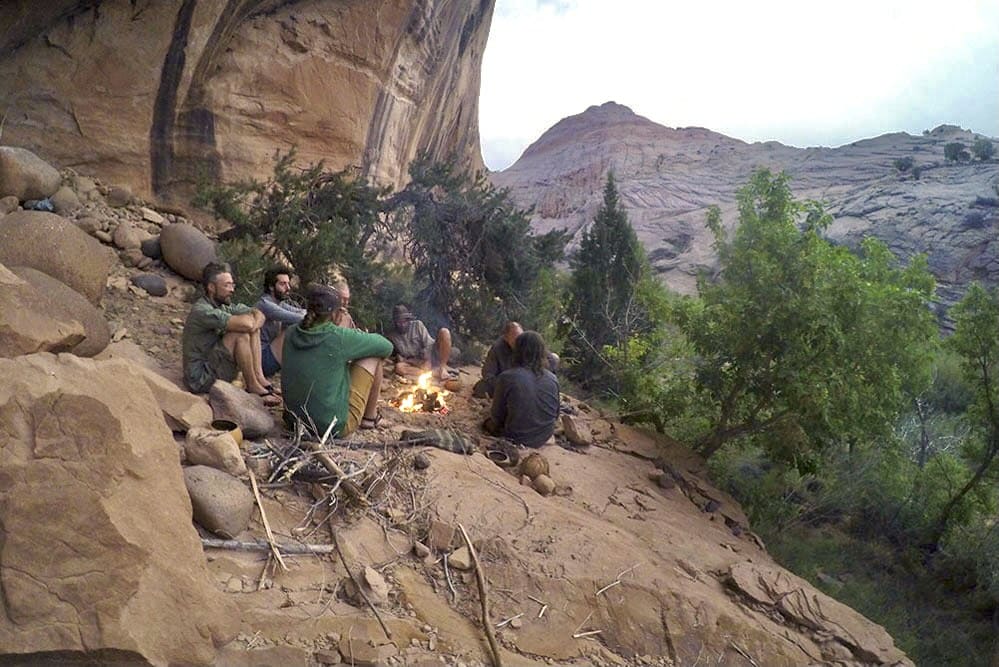
World renowned survival instructors
We are proud of our long history within this landscape. And we are proud of our survival instructors – and our highly accomplished former BOSS instructors – who are some of the most experienced and competent in the world at what we do.
Up for a challenge?
The challenges that BOSS offers aren’t for everyone. But for those for whom it is the right challenge and at the right time, we promise adventure, challenge, and world-class instruction.
Follow Us